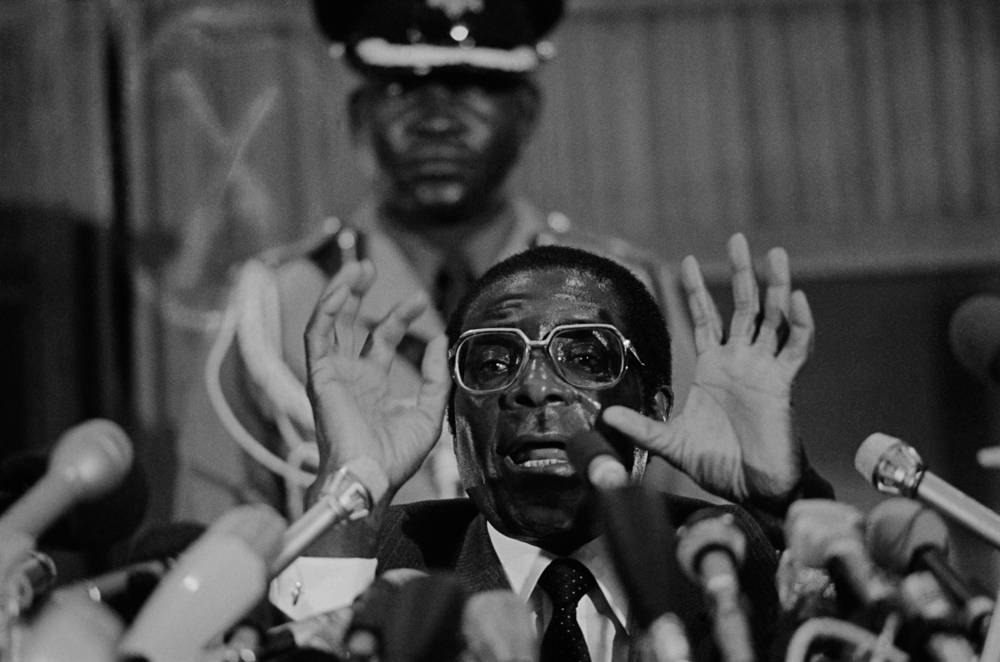
Bob Marley and Robert Mugabe once stood as two authentic symbols of the fight for anti-colonial African independence, but their lives and legacies could not be more different. As Percy Zvomuya’s recent biography, Robert Mugabe: The Black Victorian, reveals, Zimbabwe’s first prime minister developed a decided distaste for Rastafarianism, despite Marley’s reverence for Mugabe and his Zimbabwean freedom fighters.
As Zvomuya mentions, Mugabe would go as far as to warn the Zimbabwean youth against what he saw as a slovenly disregard for educational and personal grooming standards: ‘The men want to sing and don’t go to colleges. Some are dreadlocked,’ and ‘when Bob Marley came to Zimbabwe with his unkempt hairstyle, they quickly adopted it. Why not Bob Mugabe’s smart hairstyle?’
It then seems somewhat ironic that Bob Marley played a significant role in both popularising the Zimbabwean liberation movement and its independence celebrations in 1980. Zimbabwe, as a symbol of African independence, would play an inspirational, creative role in the last few years of Marley’s life. As a pan-Africanist, Marley believed in the unity and independence of Africa, a commitment rooted in Rastafari religious beliefs. However, up to the late 1970s, he had not managed to set foot on the continent he so closely identified with.
As Zvomuya suggests, Marley’s song, which also appeared on his album Survival, would play an important role in raising awareness of ‘the freedom struggle in Rhodesia’ in the rest of the world. For Marley, the Chimurenga (or the fight for liberation) in Zimbabwe became the iconic colonial struggle. As Marley would sing out in ‘Zimbabwe’, ‘every man got a right to decide his own destiny.’
‘Zimbabwe’ soon became an African nationalist anthem and was adopted by the guerrilla fighters of Zimbabwe’s Patriotic Front. Its sentiments resonated with many of the freedom fighters, and the song played a role in inspiring them to victory. As Prof Fred Zindi of the University of Zimbabwe, a one-time music promoter, has stated, ‘During the years of Chimurenga, Bob Marley’s music had been adopted by the guerrilla forces of the Patriotic Front; indeed, there were stories of ZANLA troops playing Marley cassettes in the bush.’
Marley’s voice called out across the brush: ‘So arm in arms, with arms, we’ll fight this little struggle/Cause that’s the only way we can, overcome our little trouble.’ And indeed the ‘little trouble’ of colonial oppression was ‘overcome’ when Ian Smith’s white supremacist regime finally capitulated to the forces of the Patriotic Front, and a new nation was born under the name Zimbabwe.
In 1980, Marley received a formal invitation to attend and perform at the independence ceremonies of the new nation on 17–18 April. This was despite the fact that, as we know, Mugabe had no taste for Marley’s music. In what seems entirely consistent with Zvomuya’s representation of Mugabe as ‘The Black Victorian’, it is often said that he had wanted Cliff Richard, rather than Marley, to perform at the celebrations. However, in a rare moment in Mugabe’s later political life his wishes were ignored, and, as Zvomuya states, the ‘celebration on 18 April 1980 came to be synonymous with the reggae star’s performance in Salisbury.’ In fact, Marley was so keen to perform in the last African country to achieve independence that he financed his own and his band’s way to the event at a cost of around US$90 000.
On arriving in Zimbabwe, Marley met with several former freedom fighters at the then run-down Skyline Hotel. The next day, Marley travelled out of the capital to spend time with marijuana farmers in Mutoko. On the night of the celebration, Bob and his Wailers left for the Rufaro Stadium. At the venue, Marley talked briefly with Prince Charles before the ceremony began. The Union Jack was lowered, and the green, yellow and red of the new Zimbabwean flag was raised to the thunder of a 21-gun salute. Then, after the declaration of Zimbabwean independence, Bob Marley took to the stage, kicking off with ‘Zimbabwe’.
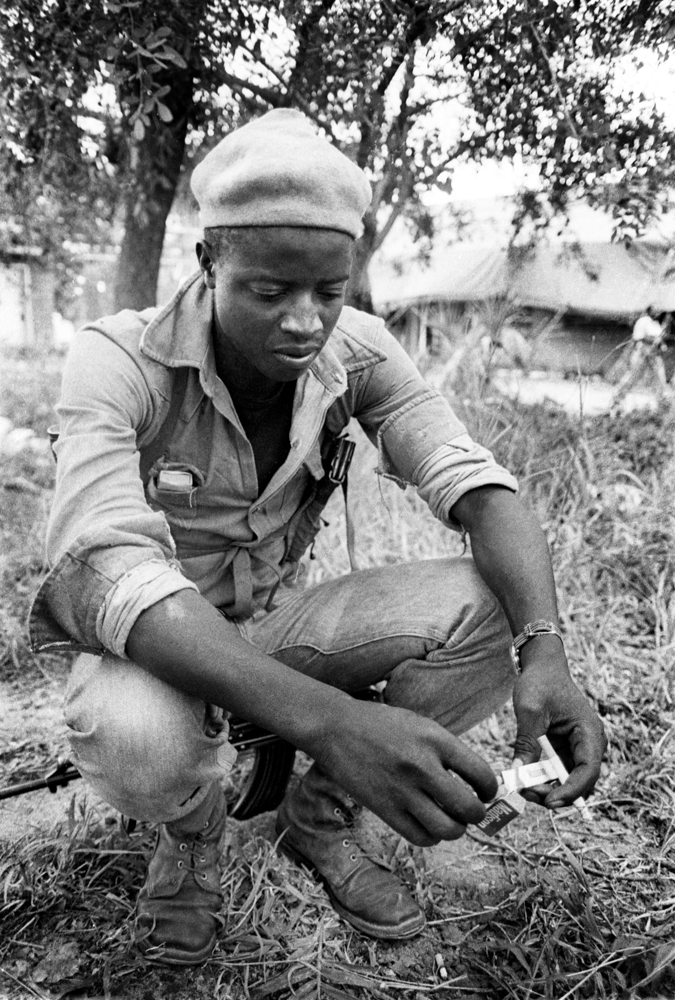
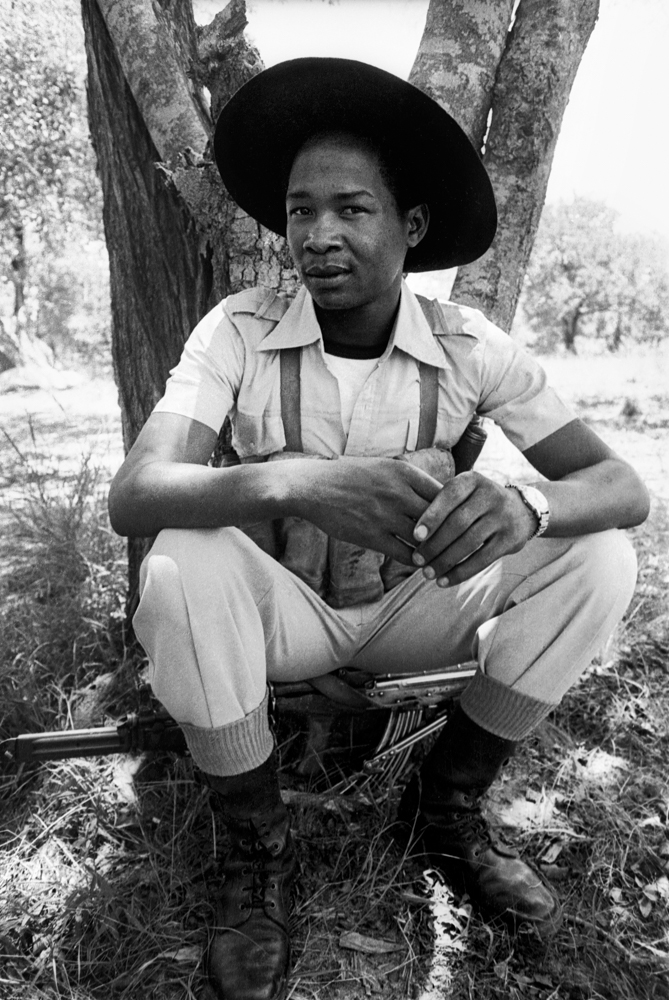
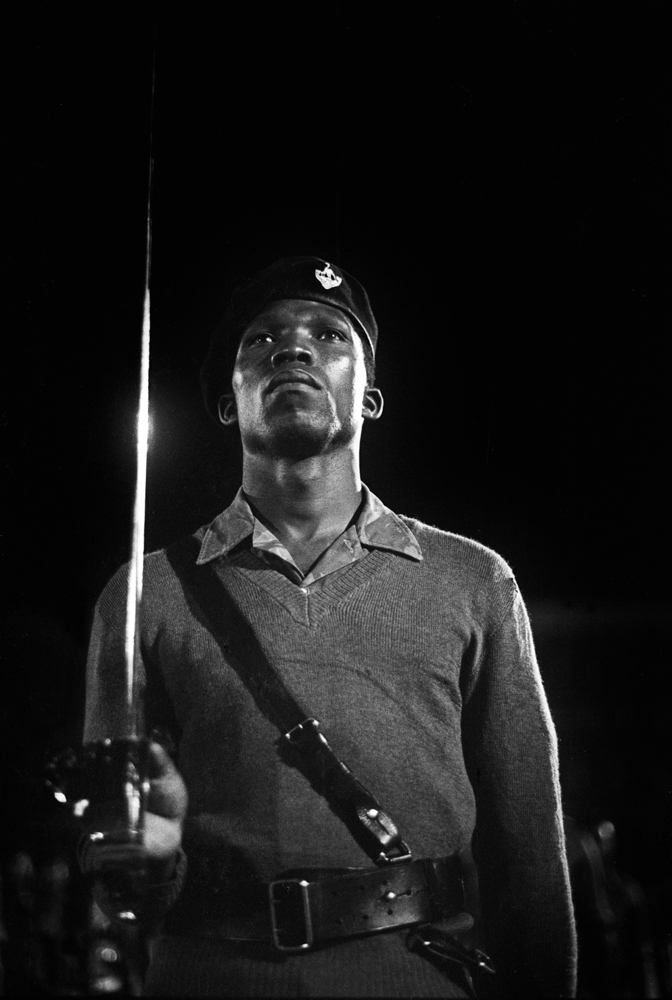
However, the concert became a theatre of controversy when thousands of people, who had been excluded from the official celebrations, attempted to push their way into the stadium to get a closer view of the man whose music had played a role in inspiring their victory. The police panicked and fired tear gas into the celebrating crowd. As the tear gas wafted towards the stage, the concert was temporarily abandoned. Some minutes later, Marley and the Wailers took up their microphones and instruments again, resuming with the song ‘War’.
As Prof Sean Jacobs relates in his article on Marley’s sojourns to Africa, it was the tear gas that awakened Marley to an early realisation that there was perhaps already something rotten in the newly born state of Zimbabwe:
According to accounts, [Marley] turned to his band afterward and remarked: ‘Now we know who are the real revolutionaries.’ In his song, ‘Zimbabwe’, Marley sang to the crowd, ‘Soon we’ll find out who is the real revolutionary.’
As a result of what had been disquieting events of the independence celebrations, where the crowds had been brought to tears by chlorobenzylidenemalononitrile rather than by joy, Marley agreed to perform again the next day to between 40 000 and 100 000 people. One of these people who found himself amongst the crowd was the photographer Paul Weinberg.
The anti-apartheid South African photographer was officially invited to document the Zimbabwean independence celebrations while working for the South African Institute of Race Relations. He had previously been in Zimbabwe to document the election process and would later record life in Zimbabwe in 1986 at the same time as the 8th Summit of the Non-Aligned Movement in Harare.
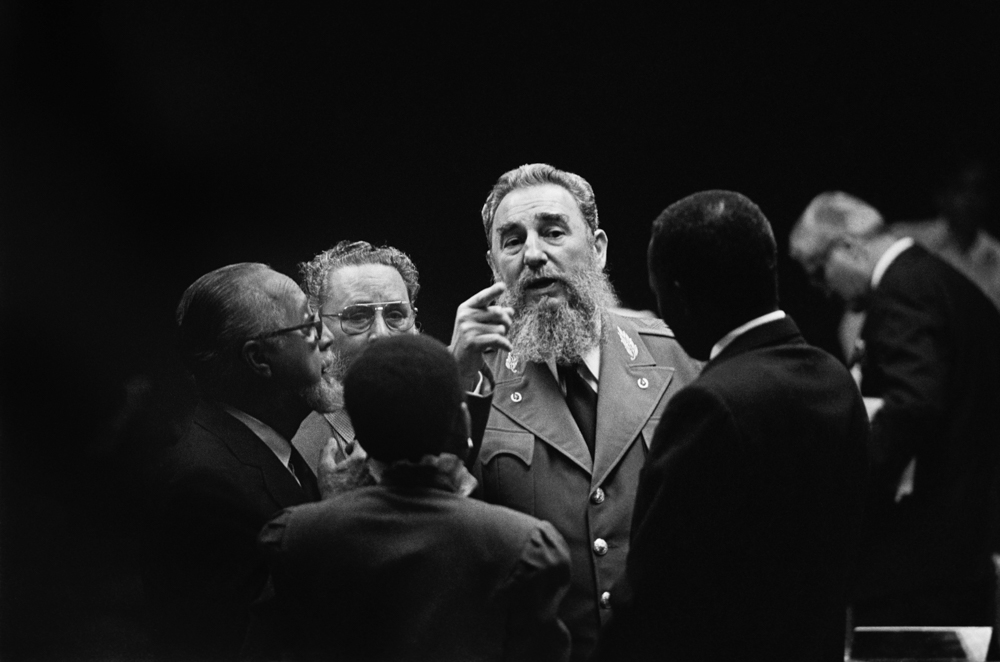
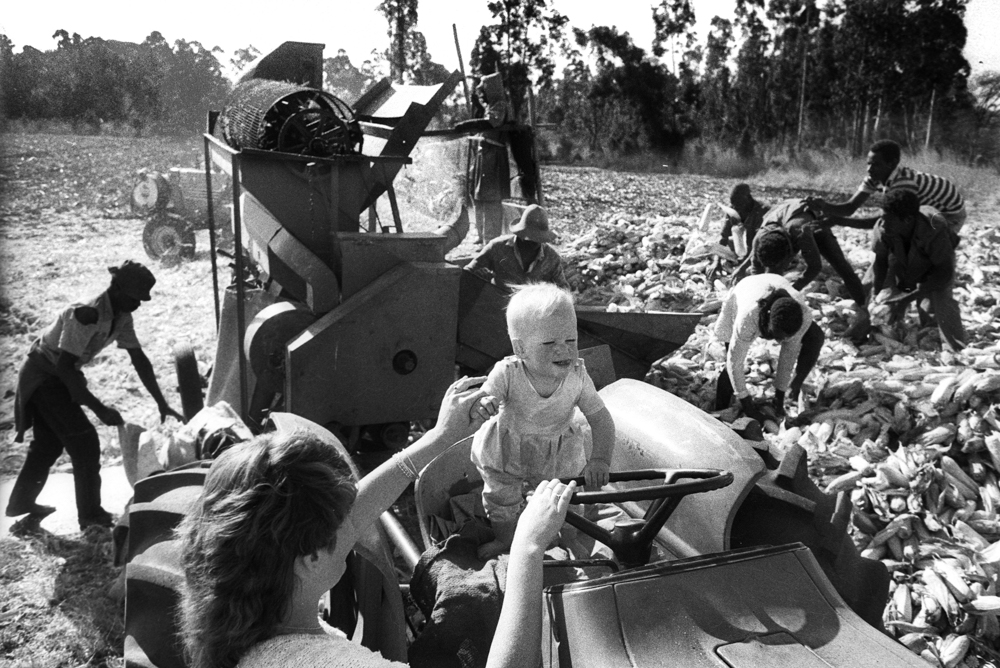
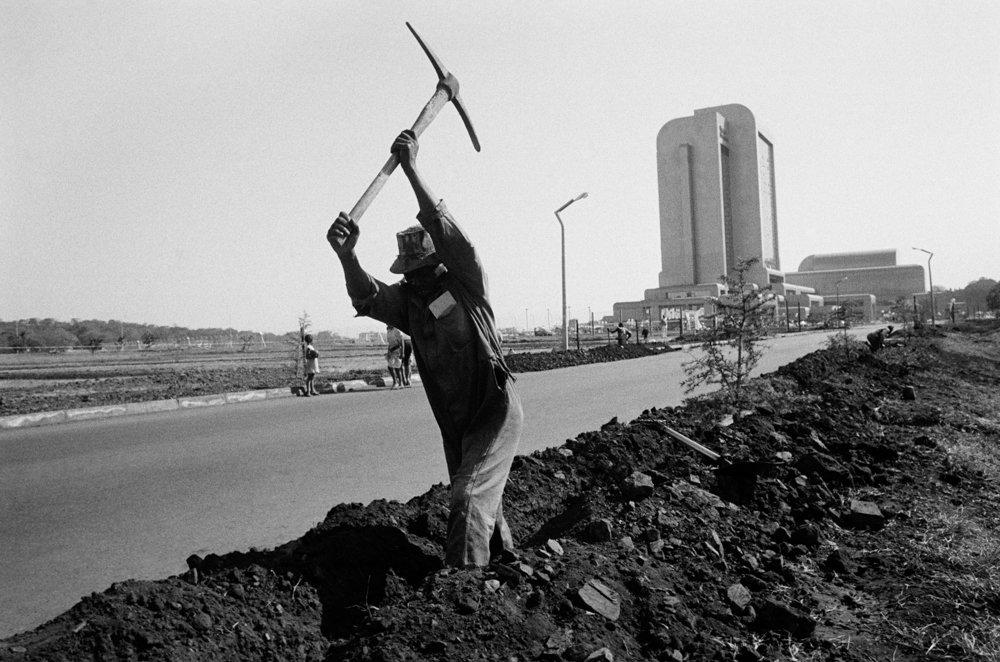
Weinberg remembered the tear gas of the first night and was a first-hand witness to the first night’s performance. He had, however, heard nothing of the concert organised by Marley for the people. While walking around the next day, he began to hear music coming from the stadium and went over to discover that it was filling up and that Marley and the Wailers were going to perform.
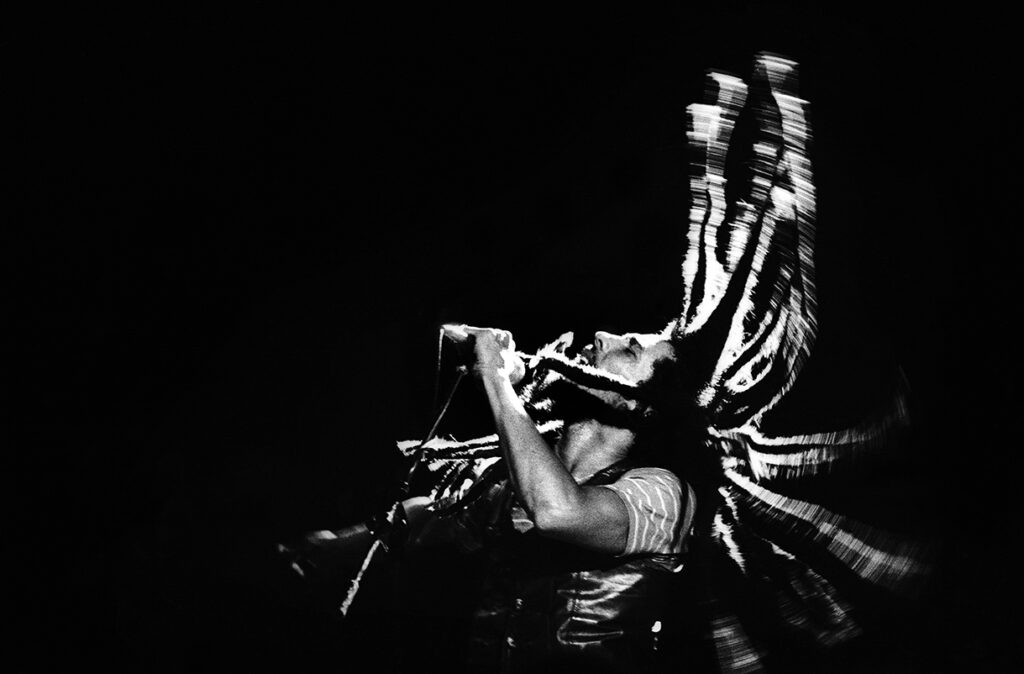
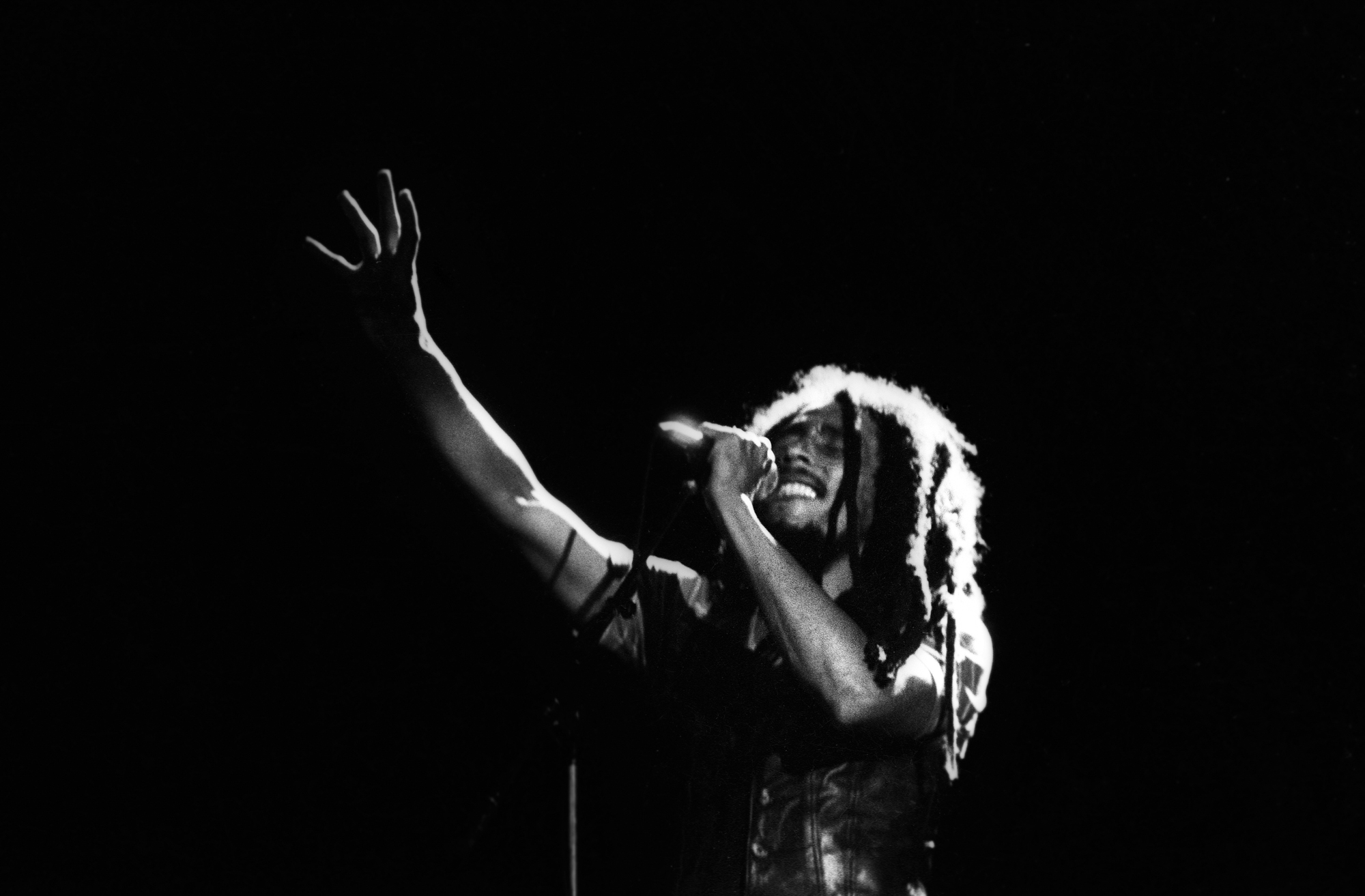
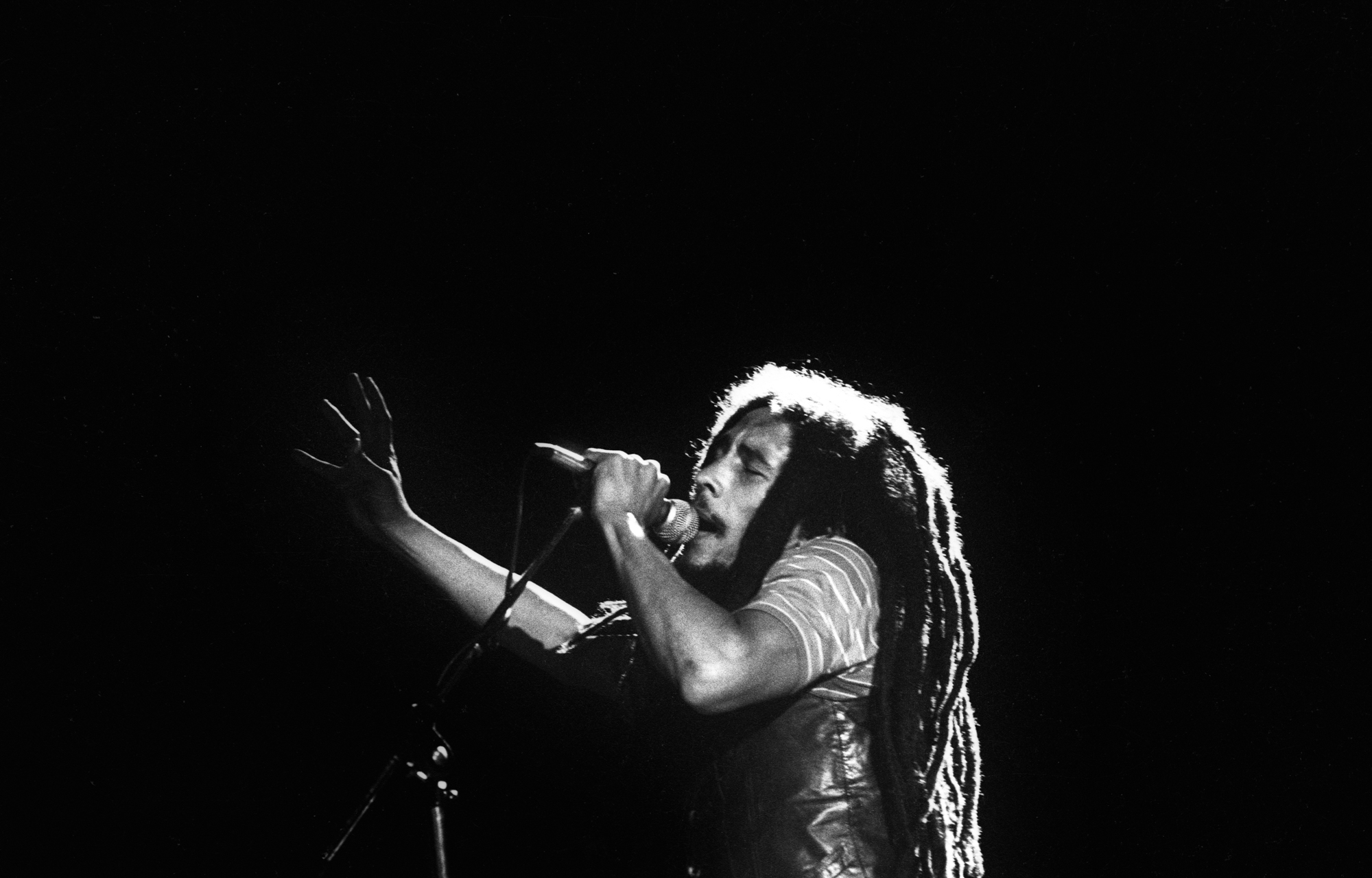
As Weinberg explains, the photograph (below) was the result of a young photographer seizing Cartier-Bresson’s ‘decisive moment’. The inky blackness of the night and the stage lights created the perfect moment to capture Marley’s ‘natty dreads’ as he danced and high-stepped to the half-time of the Wailers. The image masterfully captures a significant and inspirational moment in the tragically short life of Bob Marley.
Like several of Weinberg’s images, this photo captures, in Geoff Dyer’s sense, ‘an ongoing moment’ that is suffused with historical nuance and significance.
As Marley’s biographer Stephen Davis writes:
The next night at the stadium, under a banner that read ‘Welcome to Salisbury, Sun Capital of Africa,’ the Wailers played an inspired show for forty thousand Zimbabweans. Dressed in leather, thick locks dripping down his back, Bob slapped and scratched his face as he sang, improvising kinky bongo dance routines and high-stepping in half-time in the instrumental dub sections. It was perhaps the greatest moment in his life. He had helped change the course of African history with his music and the extent of his influence was symbolised in that concert for Zimbabwe.
Weinberg’s image first appeared in the June 1980 edition of the anti-apartheid magazine Staffrider with an accompanying story on the event by the journalist and poet Masilo Rathothata. The issue’s cover, a photograph of a Zimbabwean freedom fighter, was also taken some months before by Weinberg.